AGROECOLOGY
Agroecology is one of the key tenets of the work ZAAB does. It is a holistic, bottom-up approach to practicing and organising agriculture to create just, ecologically sustainable, and viable food systems. Agroecology is firmly rooted in collaboration, whether it's nurturing diverse agroecosystems or forging bonds of solidarity among producer collectives, producers, and consumers. It's about uniting movements that resist the corporate dominance of our food system.
At its core, agroecology champions food sovereignty, granting people the essential right to access and govern the resources they require. These resources encompass land, water, seeds, biodiversity, markets, and technical support, allowing individuals to exercise their autonomy in choosing the food they grow, consume, and purchase. Furthermore, agroecological practices have a holistic impact: they cultivate robust soils, conserve precious water resources, and nurture and safeguard biodiversity. By embracing agroecology, we uncover a win-win scenario where agriculture's climate change impact is mitigated, and farmers gain the tools they need to adapt to an ever-changing climate.
In Zambia, many farmers uphold agroecological principles rooted in traditional knowledge passed down through generations. These practices harmonise with natural systems, cultural traditions, and our community's needs. However, the contemporary food system, spanning inputs, production, processing, distribution, and retail, has transformed into a profit-driven market. Multinational corporations wield influence, shaping global and local laws to monopolise the food system, prioritising profit over farmers and consumers.
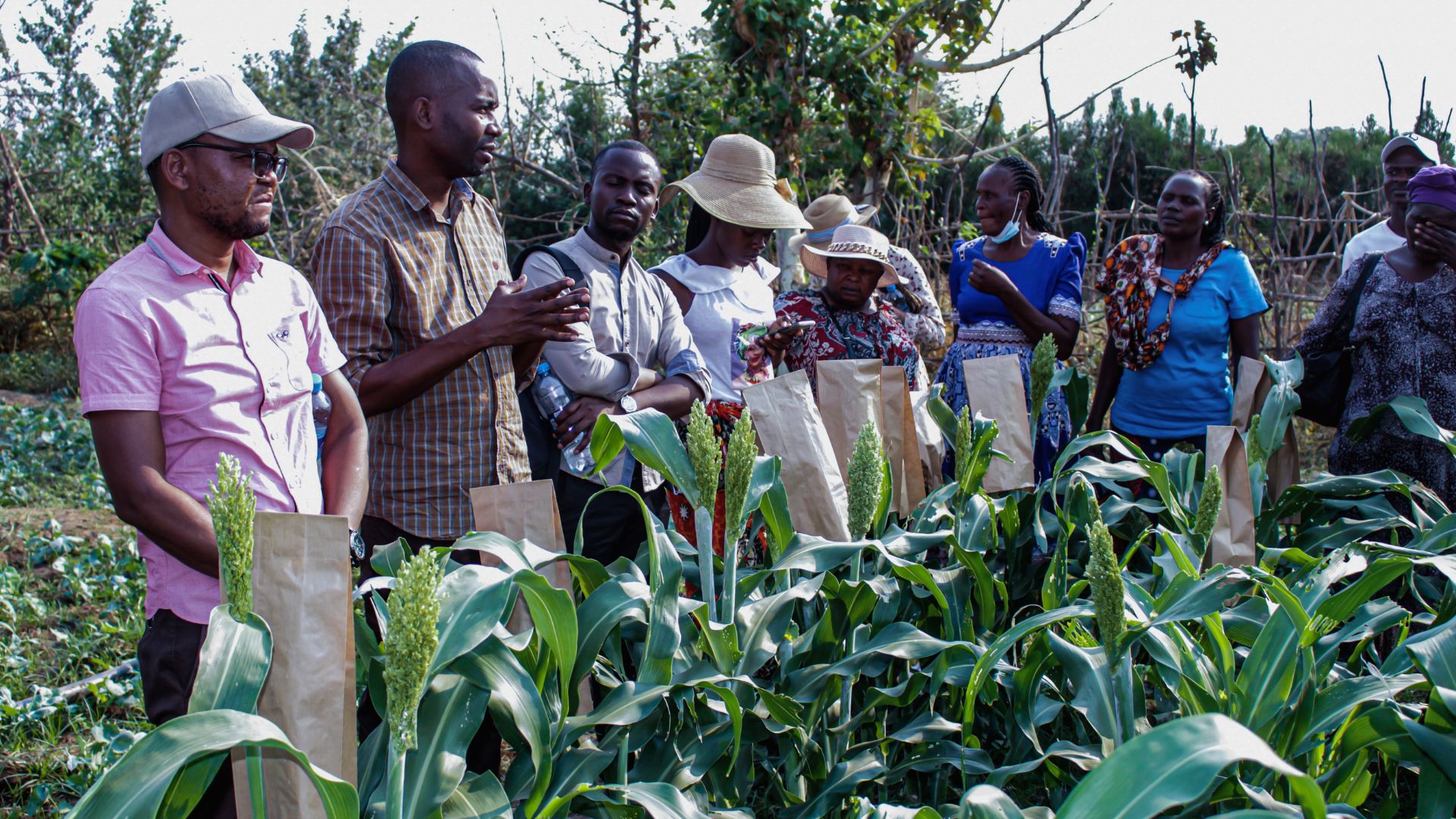
These corporate interests are reshaping Zambia's trade and agricultural laws, prioritizing profit at the expense of basic human needs, rights, and cultural practices. Consequently, it's becoming increasingly challenging and even illegal to maintain our traditional farming methods, seed-sharing traditions, and environmental stewardship.
ZAAB champions agroecology while opposing capital-intensive agricultural systems that harm our environment, food quality, health, and cultural heritage. Through our campaigns, such as #MyFoodisAfrican, and our network (link to our community) of faith, farmer and civil society-based organisations and individuals, we show a commitment to a common cause of realising just and sustainable food and agroecological systems in Zambia and beyond. Our vision is socially and economically just GMO-free Zambia where all generations live in a sound agroecological environment that celebrates biodiversity.
FOOD SOVEREIGNTY
The African Food Sovereignty Alliance (AFSA) defines food sovereignty as a transformative approach to food production, distribution, and consumption. It places the rights of individuals, communities, and countries at the centre of decision-making processes regarding their own food and agricultural systems. This concept acknowledges the importance of access to healthy and culturally appropriate food while promoting sustainable practises that support local communities and small-scale farmers.
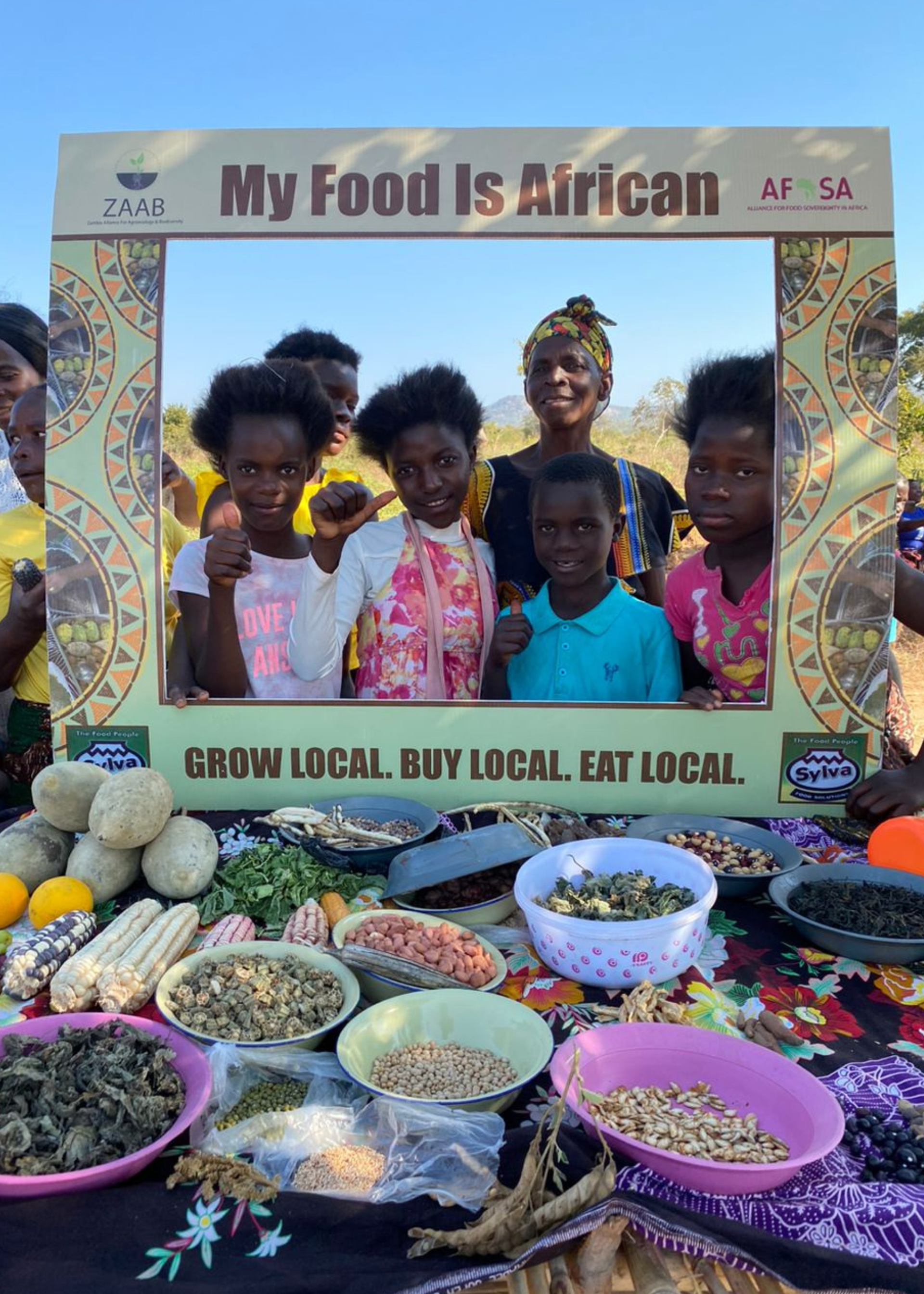
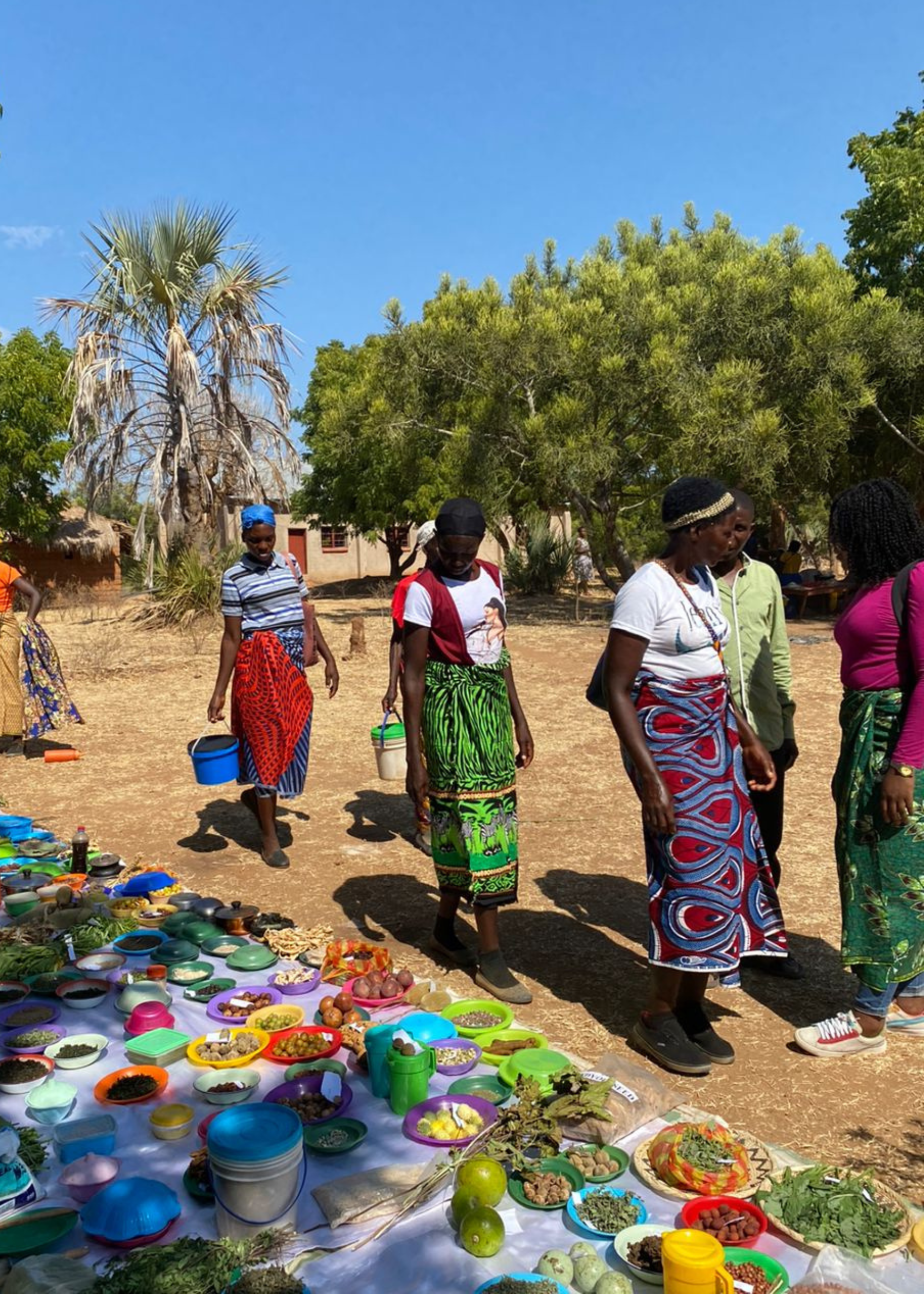
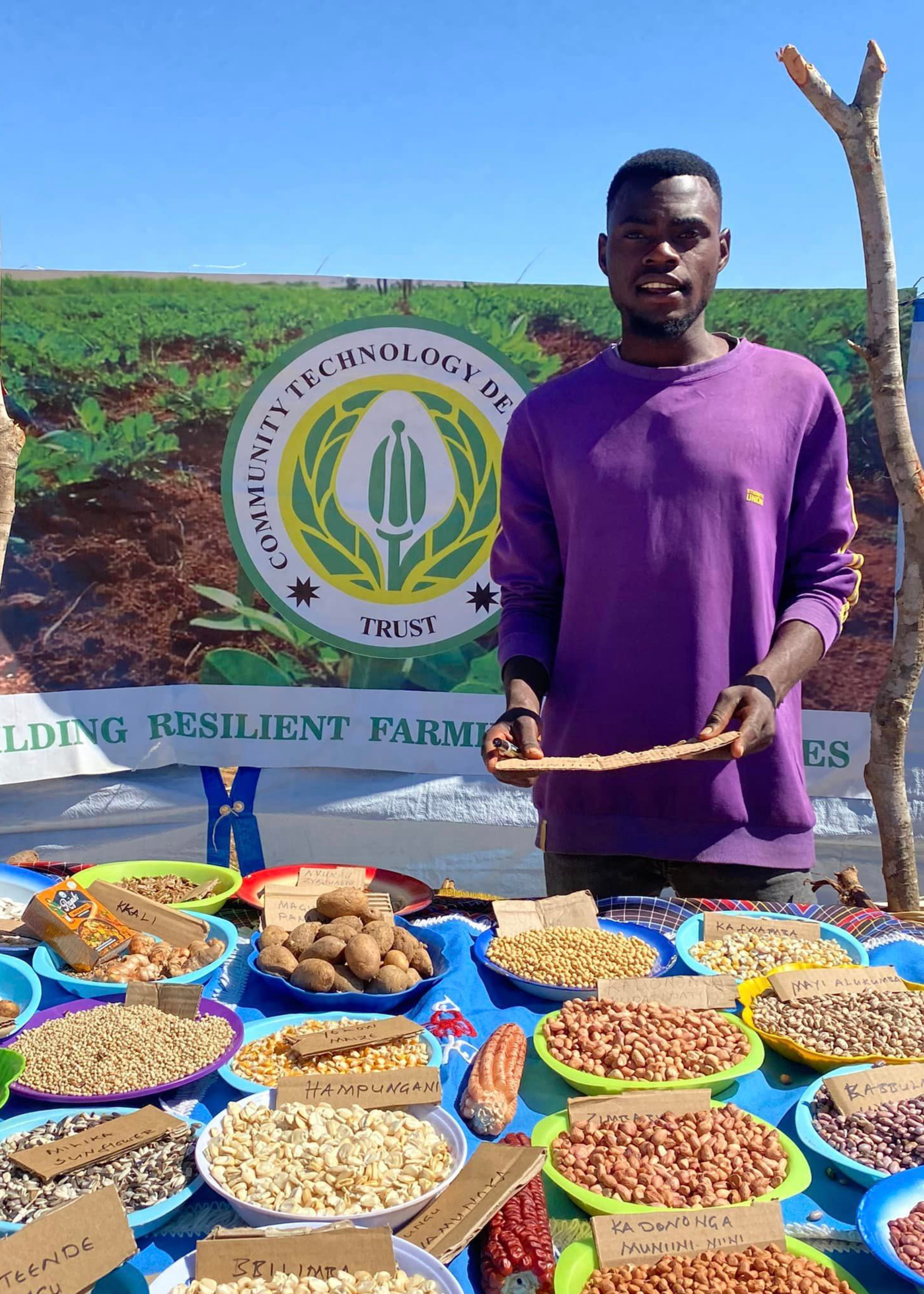
Sadly, Zambia’s food sovereignty is under threat and the rights of our farmers are largely being undermined.
Enshrined in the International Treaty on Plant Genetic Resources for Food and Agriculture (ITPGRFA), ratified by Zambia in 2006, Zambian farmers enjoy the right to:
- Save, use, exchange, and sell your own seed
- The protection of your indigenous knowledge, your land, and your livelihoods.
- Participate in decision-making at all levels
The Comprehensive Agricultural Transformation Support Programme (CATSP) is one area in which farmer’s rights are being infringed on. Meant to be Zambia’s Second National Agriculture Investment Plan (NAIP), the framework establishes a separate Agriculture Transformation Agency and channels public funding (which should support public benefits) to subsidize corporate market expansion. The framework is modeled on other AGRA interventions in African countries, pushing corporate commodities and technologies (GMOs, agrochemicals, and digital agriculture). There are serious concerns about CATSP development without adequate public input, with questions being raised about whose interests are driving the CATSP and what impact it will have on Zambia's commitments to climate change mitigation, social inclusion, nutrition security, and biodiversity protection.
SEED SOVEREIGNTY
Seed sovereignty embodies the fundamental right of farmers to save, exchange, sell, and use seeds from their own harvests. It empowers local communities to regain control of their food systems and nutritional security. It assures local knowledge and the ongoing conservation and development of agro-biodiversity.
Seed sovereignty embodies the fundamental right of farmers to save, exchange, sell, and use seeds from their own harvests. It empowers local communities to regain control of their food systems and nutritional security. It assures local knowledge and the ongoing conservation and development of agro-biodiversity.
Seed Sovereignty matters because not only does it enable the cultivation of diverse locally adapted crops, supporting agricultural resilience to pests diseases, and droughts, but it also enables local farmers to be stewards and owners of their own food and farming systems rather than being dependant on aid or multinational corporations. Additionally, seed sovereignty safeguards heirloom seeds and their related traditional knowledge passed down through generations and respects indigenous ways of life.
The Zambian Ministry of Agriculture’s proposed membership to ‘UPOV’ (the Union for the Protection of New Varieties of Plants) will block the implementation of farmers’ rights and criminalise local seed practices. Joining UPOV will grant undue power to foreign seed companies, negating the sovereignty of our farmers and nation. Join us in saying #NOtoUPOV to safeguard local seed diversity, farmer autonomy, and human rights to food and livelihoods.
Similarly, The African Continental Free Trade Agreement (AfCFTA) includes a highly contentious draft protocol on intellectual property rights (IPR) on seeds which restricts Farmers' Rights.
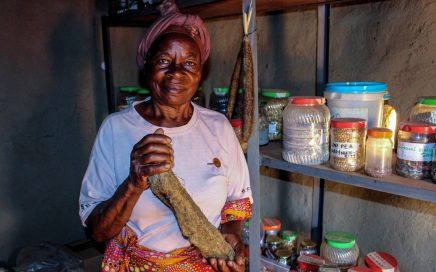
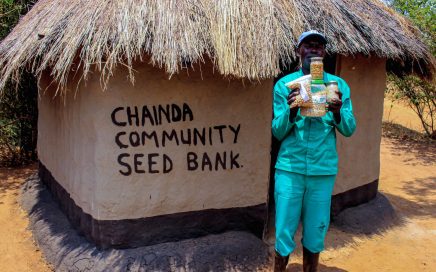
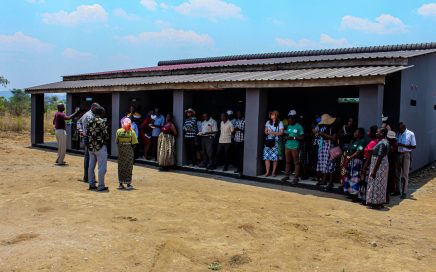
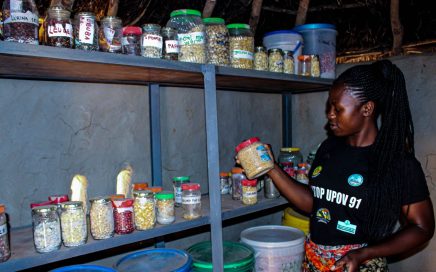
Free Trade Agreements (FTAs) threaten small-scale farmers in favour of corporate market interests. The risks of the privatisation of both land and seeds through FTAs, and the monopolisation of genetic resources and agri-food markets by corporate entities, are a major concern for Zambia.
On the ground, ZAAB members are doing the utmost to combat these developments through advocacy campaigns and
- Seed banks
- Seed fairs
- Seed festivals
You can see our research and publications around Farmers’ Rights, UPOV and CATSP here.