Pesticides: The Poison in our Food!

As Zambia charts its course on environmental policy in response to global commitments, among the targets the government has set for itself is one that should concern every Zambian who eats food, drinks water, or plans to have children. While Zambia’s National Biodiversity Strategy and Action Plan (NBSAP) includes a commitment to reduce the use of highly hazardous pesticides (HHPs) by 70% within a decade, what the strategy does not say is that nobody knows exactly which pesticides are being used, where they are coming […]

Continue reading

A New Generation of Farmer in Mpanshya

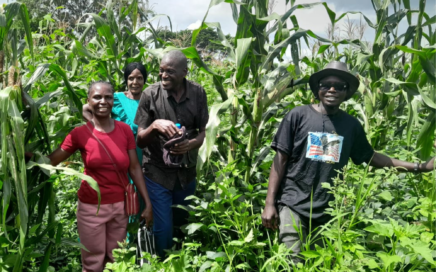
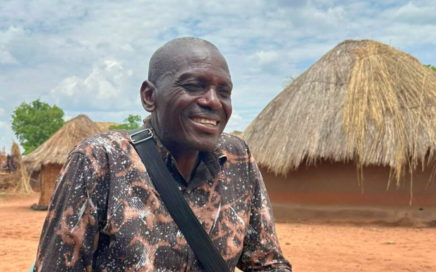
Across many rural communities, young people are moving away from agriculture in search of other opportunities. In Mpanshya, Rufunsa District, 24-year-old Khondwani Banda has chosen a different path. A small-scale poultry farmer with ambitions of becoming a teacher of layer hen production, he is continuing a farming tradition that stretches back generations. Farming has always been part of Khondwani’s life as he grew up in a family that depends on agriculture for its livelihood. His father, a lead farmer, grows soyabeans, maize, sunflower and vegetables, […]

Continue reading

Zambia Launches Agroecology Knowledge Network

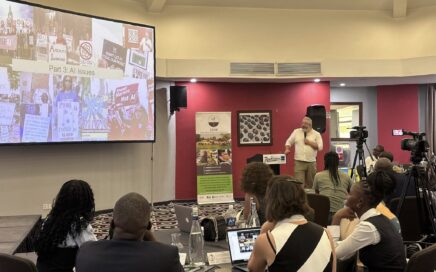
On 10 and 11 March 2026, a group of people who care about the future of farming gathered in Lusaka. They came from universities, government research institutes, civil society organisations, and farming communities. Some had travelled from Malawi, South Africa and Zimbabwe. They were there to launch the Zambia Agroecology Knowledge Network (AEKN) – the newest addition to a growing regional effort to rethink how we teach, research and practise agriculture in southern Africa. For Tweende, represented at the event by the Zambia Alliance for […]

Continue reading

Partnerships and Farmer-to-Farmer Learning in Action: A Visit to Hanamoonga and Itebe

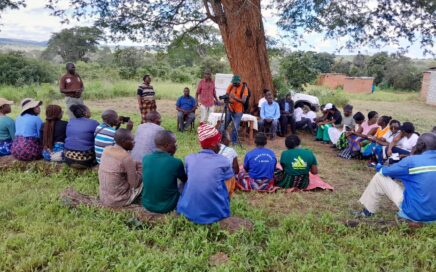
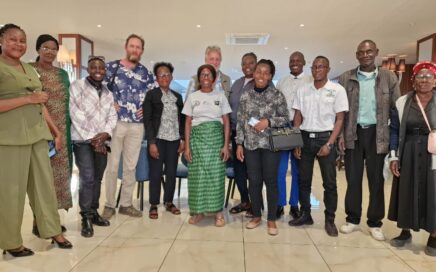
Late in February, a group of farmers, extension officers, civil society organisations, and government representatives gathered in Monze for three days of farmer-to-farmer learning, as well as a living demonstration of how partnerships that are based in trust, shared learning, and collective action can transform communities and build lasting resilience. The farmer innovation platform, organised by the Regional Schools and Colleges Permaculture (ReSCOPE), in collaboration with the Tweende initiative (a collaboration between the Zambia Alliance for Agroecology and Biodiversity, Grassroots Trust and Mulungushi University), brought […]

Continue reading

Why the National Biodiversity Strategy and Action Plan (NBSAP) Revision is a Critical Moment for Zambia’s Biodiversity Policy

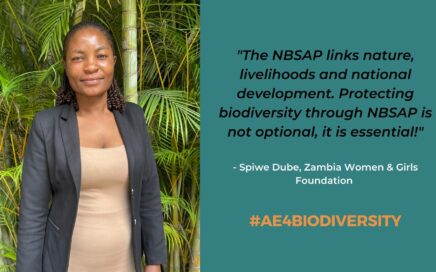
As Zambia stands at a pivotal moment in shaping its environmental policies to meet international commitments, there is an urgent need to reflect on one of our nation’s greatest, yet most undervalued, assets: our biodiversity. From rich miombo woodlands and freshwater ecosystems to agroecological landscapes, Zambia’s diversity of life is the foundation of our food security, climate resilience, economic well-being and cultural heritage. It is also the future for our youth. And yet this foundation is under increasing threat from climate change and poor development […]

Continue reading

When Farmers Become Teachers: How Patitana Mwanza is Transforming his Community

  Patitana Mwanza’s hands have worked the Kasenengwa soil for over two decades. A father of five, grandfather of four, and the vice-headman of his village, his day-to-day life has, for as long as he can remember, been decided by the seasons, the yield of his fields and the needs of his community For years, Patitana has lived as a farmer amongst farmers, tending to his fields, learning and doing his part to encourage his neighbours and share his knowledge. But recently, he has seen […]

Continue reading

How Zamkanda is Reimagining Zambia’s Waste

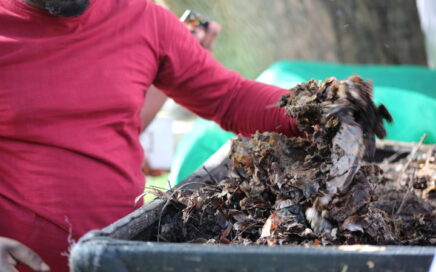
Just beyond the city limits of Lusaka, the Chunga landfill sprawls across 24 hectares. It’s more than a final resting place for the city’s trash; it’s an active source of methane, a powerful greenhouse gas seeping into the atmosphere. Most people look away. But Barbara Nöst, co-founder of Zamkanda, looked closer and wondered: what if the very waste creating this problem held the key to solving it? That question sparked a journey that began not in a boardroom, but with a group of volunteers and […]

Continue reading

Examining the Real-World Consequences of AI for Zambia

Recently in Lusaka, the Zambia Alliance for Agroecology and Biodiversity (ZAAB) hosted a public meeting to discuss the global advance of artificial intelligence (AI) and biodigital technologies and their impact on Zambia and Zambian farmers in particular. The programme featured expert insights from Jim Thomas, AI and Market Power Fellow with the European Artificial Intelligence & Society Fund, and Esther Mwema, a digital inequalities practitioner and Atlantic Fellow for Social and Economic Equity. Attendees included farmers, academics, CSOs, faith organisations, traditional leaders, and government representatives. […]

Continue reading

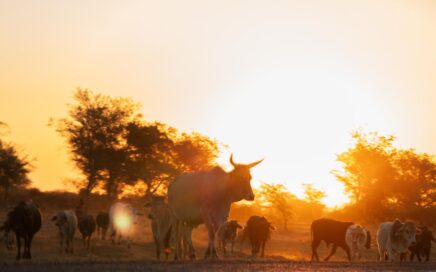
How Traditional Knowledge is Helping to Revive the Grazing Lands of Itebe

In a quiet community in Mazabuka, near the Kafue Flats in Zambia’s Southern Province, an exciting transformation has taken root. The community of Itebe, with support from Tweende implementation partners Solidaridad Zambia and the Grassroots Trust, has made the powerful decision to look backward in order to move forward in a way that respects the environment, people, and culture. Historically characterised by vast grasslands with limited tree cover, Itebe has in the last few decades faced significant challenges due to climate change and poor land […]

Continue reading

Meet Chief Nalubamba: Traditional Authority, Agroecology Champion

In the cattle-rearing heartland of Namwala, Southern Province, the Ila people have long lived in harmony with their environment. For generations, their identity, food, and livelihoods have been rooted in the rich plains and floodwaters of the Kafue Flats. Today, these landscapes are shifting. Manmade dams and climate change have led to poor rainfall and even fewer floods. For a district that is renowned for having a cattle population that exceeds its human population and one where agriculture, primarily cattle ranching, is the backbone of […]

Continue reading