Zambia Alliance for Agroecology and Biodiversity (ZAAB) is a network of organisations and affiliated individuals who are in support of sustainable local food systems, ecological justice as well as upholding the Human Rights to adequate food and nutrition levels in Zambia. Below are profiles of the majority of the members of ZAAB.
ActionAid is a global movement of people working together to further human rights for all and defeat poverty. ActionAid Zambia is part of the ActionAid Global Federation working to achieve social justice, gender equality and poverty eradication. ActionAid Zambia works to advance women's rights and civic participation, engage young people and support farmers to improve their livelihoods. The geographical reach of ActionAid Zambia is operational across the country.
ActionAid Zambia’s vision is a just, equitable and sustainable Zambia in which every person enjoys the right to a life of dignity. Its mission is to achieve social justice, gender equality and poverty eradication by working with people living in poverty, their communities, organizations, activists, social movements and supporters.
ActionAid’s core values are mutual respect, equity and justice, integrity, solidarity with people living in poverty and exclusion, courage of conviction, independence and humility.
Under the Resilient Livelihood and Climate Justice theme, ActionAid Zambia pivot on ecology, climate justice, and interconnectedness of natural resources, resilient livelihoods, food sovereignty and agroecology. Our focus is to identify the threats to women and young people’s food security and livelihoods as well as negative impacts of climate change and resource grabbing as these are critical for building resilience

Empowering rural women to make a difference in Agriculture.
ActionAid Zambia focuses on the following areas:
- Women,
- Politics and economics,
- Land and climate,
- Emergencies and Youths
ActionAid Zambia’s approach in implementing its activities and realizing achievement is centered on: Human Rights Based Approach (HRBA), ActionAid Zambia supports, builds knowledge and skills of collective agencies of Civil Society Organizations (CSOs) that spearhead evidence-based lobbying and advocacy to shift power in the favour the poor and marginalized. This support is in the form of institutional capacity building, sub-granting, coordination and knowledge sharing.
Fondation Segré partnered with African Parks and WWF to support an ambitious project in Zambia to restore the Bangweulu Wetlands. The Bangweulu Wetlands Game Management Area protects 6 000 square kilometres of floodplain, swamp, savannah and woodland habitat and is a vital water catchment. The project aims to relocate 600 indigenous heads of game into the system to recreate an ecologically viable protected area with the capacity to become sustainable. The species identified for restocking are the roan antelope, Lichtenstein’s hartebeest, puku, impala, warthog, zebra and eland.

Fauna in the Bangweulu Wetlands
50,000 people are living in the project area and have historically always been active in harvesting meat and fish for their own survival. Prior to 2008, the Bangweulu Wetlands area suffered from a combination of diminishing wildlife and fish resources which were poorly managed, deforestation, and unplanned human settlement. A lot of poaching also reduced many wildlife species to very low numbers and the important fishery was in decline. Since the inception of the project in 2008, greatly improved law enforcement and community engagement have resulted in a drastic reduction in poaching and the increase of both game numbers and fish stocks, creating favorable conditions for a game reintroduction. Law enforcement and wildlife population monitoring are activities that will be ongoing throughout the duration of the project.
The general goal of the project is restocking the Bangweulu Wetlands with key mammal species is to unlock the potential of the area to become resource-based, providing economic benefits for the local community through the long term financial sustainability of the project. This will help to secure an area of internationally significant biodiversity value and will catalyze further commercial investment.
CARITAS ZAMBIA is one of seven departments that make up the Catholic Secretariat. CZ is an organisation established by the Catholic Bishops in Zambia in 1984 to animate the work of the Catholic Commission for Justice and Peace as well as the Catholic Commission for Development with the mandate to foster and uphold human dignity through promotion of integral human development. The department aims to improve quality of life for the entire Zambian society, specifically targeting the poor and marginalised, through its core programme areas:
- Organisational Development,
- Democracy and Governance,
- Livelihoods and Climate Change,
- Conflict transformation and Peace building
- Gender Equality,
- HIV/AIDS prevention,
- Sustainable Agricultural,
- emergency response and preparedness.
In the event of natural disasters such as droughts or floods, Caritas Zambia provides support to the affected households through relief and rehabilitation programmes, dispensing the basic necessities such as food, shelter, medicine and hygiene sanitation. Their work also aims to increase the capacity of communities in disaster preparedness and response through training in disaster risk reduction and the creation of community awareness to recognise early warning signs.

Caritas Zambia and its partner Diakonia wrapping up the pilot Climate Justice innovation project in Chilobe and Chilubwa communities in Zimba district.
Advocacy and lobbying work done at national level to raise awareness of the importance of using earnings from the country’s natural resources for social development is a core part of Caritas Zambia’s work. The agency lobbies policymakers to ensure that mining of Zambia’s copper is conducted in a responsible and environmentally sustainable way, and that all Zambians stand to benefit from the use of their country’s natural resources.

Caritas Zambia members of staff attend to participants at a Sustainable Economic Empowerment event
Caritas Zambia’s agriculture and alternative livelihood programmes focus on capacity building for crop dependent communities in small livestock production but also initiatives to empower community members to effectively engage in other economic activities besides farming. Additional activities also include production of cash crops, training initiatives for farmers, harvesting and sale of forest products.
Caritas Zambia also provides technical support to the dioceses to address gender inequalities and the consequences of HIV/AIDS. The agency has developed HIV/AIDS workplace policies and action plans to improve the social well being of women and female-headed households.
CZ Location: Address: Kapingila House,
Kabulonga Road, Plot BRT6, P.O. Box 31965,
Lusaka, Zambia
Telephone: +260 211 260980
Fax: +260 211 260950
Email: caritaszambia@iconnect.zm
Chinchi Wababili a women farmers’ cooperative society was formed in the year 2003 and was officially registered in 2006, and is located in Kafubu Dam West of Ndola .
The objective behind the forming the cooperative was to encourage women to venture in agricultural activities, i.e. livestock and mixed farming.The cooperative initially had only 25 members who have increased now to 60 women, 6 men and 7 youths. Heifer International empowered 25 women with dairy cattle which they passed on to group b. They also keep small livestock eg goats, village chickens etc. They grow different crops using the livestock manure form their animals hence lessening the dependency on Farmer Input Support Programme. They also grow their food using different types indigenous seeds.

The Chinchi Wababili co-operative receiving goats from ZAW
Chinchi Wababili’s network includes: Rural Women Assembly, Esaff Zambia, Alliance of Women Dairy Association of Zambia, WE Forrest and ZAAB.

With beehives from We Forrest
Chinchi Wababili’s focus now is to add value to the produce i.e. dry and preserve some of our crops especially vegetables. Packaging of the honey and find market for the goats. Add value to our milk. Above all Chinchi Wababili’s wish is to learn more on Agroecology and making of organic fertilisers.

Making of green charcoal
The women in the community have been empowered by some of the networks mentioned above and now they are becoming self-reliant especially at home stead level.
Contact: Grace Tepula, +260977612891
Community Technology Development Trust (CTDT) Profile Community Technology Development Trust (CTDT) is a not for profit making NGO registered in 2009 with the objective of contributing to the livelihoods of rural communities through interventions aimed at promoting biodiversity conservation and natural resources management in food production practices. CTDT promotes the management of agrobiodiversity to enhance sustainable livelihoods through intervention strategies aimed at facilitating restoration and enhancement of traditional plant varieties. CTDT strives to enable farmers to own, manage, control and benefit from agrobiodiversity through supporting conservation, restoration and enhancement of local crops. CTDT is actively involved in the areas of agrobiodiversity, household food and nutrition security, climate change, policy advocacy, and gender mainstreaming. It promotes cultivation of wide diversity of crops and varieties in order to contribute to household food and nutrition security. This involves the cultivation of different nutrition crop groups of starch, proteins, minerals and vitamins. This also involves cultivation of a wide range of varieties for each crop.
CTDT’s vision is to have farmers that develop, own, control and conserve biodiversity and are food and nutrition secure, are resilient to climate change, and understand their farmers’ rights.
CTDT seeks to achieve food and nutrition security of marginalized communities through gender sensitive work in biodiversity, agroecology, natural resources and environmental management using research, capacity building, advocacy and partnerships.
- Management and conservation of agrobiodiversity
CTDT promotes the management of agrobiodiversity to enhance sustainable livelihoods through intervention strategies aimed at facilitating restoration and enhancement of traditional plant varieties and animal breeds. CTDT strives to enable farmers to own, manage, control and benefit from agrobiodiversity through supporting conservation, restoration and enhancement of local crops and livestock.
- Addressing household food and nutrition security
CTDT promotes cultivation of wide diversity of crops and varieties in order to contribute to household food and nutrition security needs. This involves the cultivation of different nutrition groups of starch, proteins, minerals and vitamins.
- Climate change mainstreaming
CTDT recognises that changing agricultural and food production in ways that ensure improved sustainability and healthier and more nutritious food supply involves the increased use of agricultural biodiversity which is necessary to adapt to climate change. ϖ Response to seed policy environment CTDT is actively involved in influencing policy on biodiversity through policy engagement, formulation, implementation and capacity building of relevant stakeholders. CTDT engages in policy advocacy and lobbying designed to bring the voice and experience of local communities to the attention of policy makers.
- Gender mainstreaming
Gender is mainstreamed in all CTDT programmes on the appreciation that achieving gender equality requires understanding that every policy, programme, project and development process affects both men and women differently and that specific measures must be designed to eliminate inequalities because they tend to fuel poverty and food insecurity.
Major Achievements
- Reached over 15,000 farmers in capacity building through trainings in climate resilient production, participatory plant breeding, farmer led seed systems, community seed banking, seed multiplication and production and value addition.
- Successful managed a solid collaboration with other stakeholders such as ZARI, ZAAB, Kasisi Agricultural Training College (KATC) and RESCOPE in Zambia
- Successfully established good networks with donor communities and implemented projects with Hivos, Bread for the world, Seed and Knowledge Initiative (SKI), Oxfam Novib and the FAO.
- Successfully established three fully functioning Community Seed Banks in Chirundu, Shibuyunji and Chikankata districts.
Activity Photos

Establishment of community seed banks; Community participating in the construction of the community seed bank in Chikankata District

Workshop to discuss farmer’s rights

Diversity wheel: Communities trained to document diversity in their areas using diversity wheel tool which is used to document levels of diversity of crops, genetic erosion and threats to diversity. They also produce biodiversity registers.

Seed diversity fair in Chikankata PVD field in Chirundu

PVD field in Chirundu
Community Technology Development Trust,
P.O Box 310234,
Lusaka.
+260977441541
Julietnangamba@yahoo.com
Eastern and Southern Africa Small-scale farmer’s Forum (ESAFF) Zambia was established by small-scale farmers in 2003 at the farmer’s convergence held parallel to the World Summit on Sustainable Development (WSSD) in Johannesburg. Participatory Ecological Land Use Management (PELUM) Zambia played a key facilitating role in the establishment of ESAFF Zambia.
The purpose of ESSAF is to enable Small Farmers in Eastern and Southern Africa to speak as a united voice so that issues, concerns and recommendations become an integral part of policies and practices at grassroots levels, National levels as well as at Regional and Global levels. ESSAF is a network of grassroots small scale farmers’ organizations working in 16 countries of Eastern and Southern Africa (EAS) region.
The organization currently has 137 farmer groups in the following provinces: Lusaka, Central, Eastern, Southern, Copperbelt, Northern, Western and North-Western provinces.
ESAFF Zambia’s key activities include; advocating for farmers rights, leading farmers in practicing agroecology and other sustainable methods of agriculture, promoting indigenous/traditional seeds and conducting partner capacity building training for small scale farmers in their areas of operation.
Green Living Movement is a Zambian NGO working in sustainable development, community empowerment and natural resource management through community participation. GLM was founded in 2000 by a group of Zambian environmental and social development enthusiasts who were worried about the lack of environmental awareness and its links to poverty. GLM Zambia is the mother organisation of GLM Finland and Swaziland.

Green Living Movement launching the Community-based Strategies for Sustainable Natural Resources Management and Gender Equality project! The project will enhance natural resource management for climate resilience and secure livelihoods for the communities of Monze and Mazabuka districts from 2021-2024.

GLM’s global vision is a sustainable environment and livelihoods in a poverty-free society. GLM has adopted the philosophy of a Chinese revolutionary, Dr James Yen, as a guiding principle:
“Unless you enter the den, you cannot get the cubs. Go into the community, live humbly with the people as one of them, learn from them, plan with them, start with what they know and build on what they have.”
GLM’s work focuses on rural communities. It strengthens the capacity and knowledge of the local communities to enable them to become managers of their own processes. GLM staff and volunteers from many parts of the world spend a substantial amount of time living, learning, sharing and planning with communities.
It also supports the environmental and social development of rural communities. The primary aim is to improve community livelihoods in an environmentally sustainable manner. Yet, the organisation also uses a holistic approach, since a combination of interventions is often needed to respond to the immense development needs in the rural areas.
GLM has always used participatory and people-centred working methods. The aim is to provide the local people with skills and knowledge which enable them to influence the development of their own livelihoods and the broader community. Partner communities take part in the entire project cycle from project identification and planning to implementation and evaluation.
P.O. Box 38254, Showgrounds, stand# 2374,
Lusaka, Zambia (corner of Mpelembe and Chongwe walk)
Landline: +260 211 256 136
Mobile: +260 977 891 826
Email: glmglobal.zambia@gmail.com
Rural communities are in need of a lot of economic develop-ment. While government res sources may be limited, the communities in need of development must begin to work towards development agendas set by the local leadership, aspirations of the communities and towards the 7 NDP and Vision2030.
With the many income limitations of farming communities, it is necessary for communities to plan and work together to achieve the development they want by any means possible:
Vision
Unite Economically independent women small scale farmers:
Mission
"To create a platform for women small scale farmers collective voice and action to improve their livelihood, through sustainable and profitable agriculture.
Goal:
To empower small scale farmers to become economically free, improve their income and nutritional status
Kasisi Agricultural Training Centre is adjacent to the Kasisi Jesuit Mission located 10 km from Kenneth Kaunda International airport. KATC is an apostolate of the Society of Jesus, Zambia and Malawi Province. It was established in 1974 by Brother Paul Desmarais and it’s main aim is to assist in sustainable rural development with smallholder farmers. In the late 1980's KATC observed that conventional agriculture was degrading the land and impoverishing the farmers. By 1995 KATC was training smallholder farmers, the government and NGO extension staff in Sustainable Organic Agriculture and other related short courses, both residential and as part of an extension programme mainly in the districts of Chongwe and Rufunsa.
With support of local and international NGOs, KATC has also trained farmers from all provinces of Zambia and more recently has been training Ministry of Agriculture (MOA) officers as well as the government research institutes and agricultural training centre staff in sustainable organic agriculture, including demonstration plots which have tended to outshine the large seed company demo's, especially in drought years.

Eunice Hambulo KATC Extension officer facilitating a discussion at a field day hosted by Mr. and Mrs Sikombe, Sinjela Camp in Rufunsa District.
KATC's production has been organically certified by ECOCERT since about 2001, initially including smallholder farmer cooperatives in Chongwe which later separated from KATC as the Chongwe Organic Producers & Processors Association (CHOPPA). In 2018 KATC started
supplying organic certified processed products such as rolled oats and wheat flour to the market, including Shoprite.

A lead farmer explaining the concept of agroforestry nursery management.
KATC has participated in advocacy at every opportunity to promote the ecological organic approach with government agencies and policy makers. Its large scale production and market access also promotes the fact that organic is possible on a large scale. KATC was one of the founding members of ZAAB in 2010 initially motivated by the need to fight against the renewed efforts of mainly the corporate sector to bring GMOs to Zambia.
KATC has benefited greatly from their partnership with the Seed and Knowledge Initiative (SKI) to take the Agroecology agenda to the point now that KATC will be starting to offer an Agroecology diploma from 2021. Above all, the partnership has greatly benefited and empowered smallholder farmers in 6 camps (3 in Rufunsa and 3 in Chongwe) through valuing smallholder knowledge and traditional seed management systems in an agroecological context. KATC itself has greatly enhanced their own knowledge of agroecology through their partnership with the SKI SADC region partners.

Group discussions; sharing gender experience during the KATC SKI farmer representatives gender and seed training facilitated by CTDT
In 2018 KATC was invited by SKI to have some of their staff trained in the making of biofertilizers and then to host a 2-week training in biofertilizers. 70 people attended including 50 farmers. This training inspired many farmers to implement the making of biofertilizers with locally sourced ingredients and train their fellow farmers.
Kasisi Agricultural Training Centre, PO. Box 30652,
Lusaka, Zambia.
Email: katc@iconnect.zm
Tel: +260-211-840303,
+260-965840303
- Background:
KHUMBILO Agro-Ecology Media Services is an indigenous agroecological private media organization facilitating evidence-based media advocacy through Communication for Development Approach to secure ecologically sustainable agriculture in rural Zambia.
KHUMBILO Agro-Ecology Media Services believes if the small-scale farmers are empowered with access to platforms for effective communication and dialogue with decision makers, and equipped with relevant information on their rights, they can influence the sustainable development agenda and hold their duty bears accountable, at the Bottom of the Pyramid.
- Vision:
“KHUMBILO” is a Tumbuka, Zambian tribe word meaning: ‘aspiration’ or ‘desire’. In this context
KHUMBILO AgroEcology Media Services, established as an indigenous and independent rural based private media company, is yearning to see: “The indigenous farming communities, where sustainable agriculture is the foundation of thriving rural landscapes and climate resilient livelihoods.”
- Geographical Location:
KHUMBILO AgroEcology Media Services is located adjacent to Atlasmara Bank, behind Aliboo
Trading Shop in Lundazi district, a rural township of Eastern Province, about 745 kilometers East of Lusaka, the capital city of Zambia; with a total area of 1,348Km Sq. And the core ethic groups are Tumbuka and Chewa speaking people, although Tumbuka is a widely spoken language in the district.
Goals and Objectives:
ACCESS to Information on agroecology approaches, has a key role to play in food security and lifting people out of poverty. Agroecology offers concrete, tried-and-tested solutions - which are needed for an urgent transformation of agriculture and the food system.
KHUMBILO AgroEcology Media Services strives to:
Create an agroecology media platform and increasing provision of equal access to information,
freedom of expression, and diversity of ideas by creating an informed, news media literacy and
engaged small-scale farmers through quality agroecology content, audience education and protection of farmer’s rights in rural Zambia.
In order to ensure and promote the realization of the right to seeds and related human rights through the “African VOICE Radio Innovation Centre”, KHUMBILO AgroEcology Media Services works on these thematic:
- Sustainable Food Production
Peasant and Indigenous Peoples’ seed systems is a central pillar of sustainable, agroecological food production systems. The crop and intra-varietal diversity of such systems enhances their resilience and makes them less dependent on the use of fertilizers and pesticides. Pesticides, in particular, are causing a global human rights and environmental catastrophe and are responsible for an estimated 200,000 acute poisoning deaths each year. Pesticides further play a key role in industrial food production systems that aggravate inequalities, decrease food diversity and fuel environmental destruction.
“Crop breeding in industrial agriculture has focused on breeding high-yielding distinct, uniform and stable varieties that respond well to chemical inputs but that are more genetically susceptible to pests and diseases.” Indeed, “commodity seed systems generally rely on pesticides.
It is therefore not surprising that commodity seed companies and pesticides companies are often one and the same.” This means it is critical to protect and promote peasant and Indigenous Peoples’ seed systems in order to make food systems more sustainable Moreover, reduced dependency of peasants and Indigenous Peoples on external inputs increases their autonomy and income.
- Healthy Diets:
Peasants’ and Indigenous Peoples’ seed systems and their agroecological farming and management practices are critical components of sustainable, localized food systems which feed more than 70% of the world’s population, contributing to improve human health and well-being, while respecting and sustaining the natural environment. Biodiversity and locally adapted seeds are the foundation of dietary diversity and therefore need to be protected and enhanced, for the benefit of current and future generations.
Industrial agriculture and food systems have entailed a major shift in dietary patterns towards uniformity. Efforts to increase agricultural biodiversity in landscapes, food systems and diets are an important part of creating healthier diets from sustainable food systems. Agricultural biodiversity, as ensured through peasant and Indigenous Peoples’ seed systems, results in increased dietary diversity, providing the spectrum of macro- and micro-nutrients essential for human health. Moreover, “a robust farmers’ seed system ensures that people have access to food that meets their cultural values.”
- Conservation And Sustainable Use Of Biodiversity:
Through their seed management and production systems, peasants and Indigenous Peoples critically contribute to the conservation and sustainable use of biodiversity. In many instances, they are custodians and stewards of both natural and agricultural ecosystems – protecting, conserving and restoring them.
Respecting, protecting and guaranteeing their rights is therefore a key contribution to halting biodiversity loss and protecting ecosystems.
Conversely, industrial agriculture based on commercial, hybrid seeds of a limited number of homogeneous and uniform, high-yielding crops and varieties, as well as genetically modified organisms (GMOs), has led to the loss of some 75% of agricultural biodiversity over the last century.
- Adaptation To Climate Change:
Whereas peasants and Indigenous Peoples are most affected by climate change and biodiversity destruction, they are also key to true solutions to the challenges posed by it. Their seed management and production systems as well as their deep knowledge and their ability to innovate are critical to adapt crops and varieties to changing conditions, and to conserve, restore and further develop agricultural biodiversity.
Peasant and indigenous seeds constantly evolve and develop in communities’ fields. Their intra-varietal diversity and their ability to evolve are characteristics deliberately sought by peasants and Indigenous Peoples because they enable constant adaptation to changes in growing conditions. Resilience of seeds is crucial to ensure regular, abundant harvests in increasingly irregular climatic conditions.
- Theory Of Change:
INFORMATION Poverty and Inequality: Where women and youths have limited or no access to high-quality, local information - limits freedom of expression and reduces informed choice. This problem can be understood across four main components: Access, Inclusion, Content and Engagement.
In this context, KHUMBILO AgroEcology Media Services’ Theory of Change is built on the premise that information and communication empowers indigenous people, especially women and youths with knowledge and platforms for effective participation in contributing to achieving the global environmental justice, rooted in cultural integrity, led by indigenous communities and the grassroots’ media innovation.
- GREENING Schools Model:
At the center of KHUMBILO AgroEcology Media Services’ strategy is the SCHOOL - serving as a meeting point and demonstration site for the kind of future the community wants to create. The project will thus bring indigenous communities together to build capacity for climate change adaptation, supporting communities to transform into Ecovillages, seeding new social enterprises, and providing new opportunities for children, youths as well as adults.
Mukaka Dairy Co-operative is based and has its reach in Mumbwa district of Central Province. MDC is involved in rearing animals, producing milk and traditional and agroecological farming activities. They are also engaged in various entrepreneurship activities for small scale farmers. MDC has hosted a number of indigenous/traditional seed fairs, the latest being last year in Mumbwa.

Knowledge and sharing on various indigenous seeds at the Mumbwa Seed Fair organized by Mukaka Dairy Co-operative and ZAAB in Mumbwa town last year
Contact person: Mrs Mary Sakala, +260977254773
Munsenga multipurpose co-operative society was established under the cooperative society act of 1998.
It was issued with a certificate dated August 2000, the office being at Munsenga cooperative in Luano phase 111 Resettlement scheme.of Chingola. It consists of a board of seven with a membership of about 40
It is based on the principles of self help, and responsibility, democracy, equality and solidarity. Members believe in their ethical values of honesty,openness,social, social responsibility and caring for others.
Namfumu Conservation Trust is a Zambian Trust with the intention to establish and maintain an African regional network committed to the achievement of economies of scale and scope while ensuring optimal innovative environmental conservation through technology, products and services while maintaining the quality of environment and responding to the challenges of climate change.
OUR VISION
To contribute towards a world in which the elements and beauty of Mother Earth are conserved and sustainably utilized for the holistic benefit of humanity.
OUR MISSION
Namfumu Conservation Trust endeavors to promote strong environmental conservation partnerships to effectively contribute to the mitigation of climate change, global warming through holistic sustainable rural development and poverty alleviation in Zambia and Southern Africa.
OUR RESPONSIBILITY
We believe our first responsibility is to the people we serve. We render our services with skill, compassion and respect for human dignity, regardless of race, creed or religious affiliation. We believe in the respect of nature and all of God's creations.
Our second responsibility is to the environment where environment refers to the complex diversity of physical, chemical and biotic factors i.e. climate, soil, and all living things, that act upon an organism or an ecological community and ultimately determine its form and survival. We value the conservation and protection of all natural habitats in ensuring a balance of nature, mitigation of climate change and global warming.
Our third responsibility is to the partnerships, networks and collaborations we create with local communities, strategic organizations and government institutions. We believe that strategic partnerships are cardinal to comprehensive and successful environmental conservation through pooling of technical know-how and indigenous knowledge systems.
Our fourth responsibility is our community. We understand that our responsibility extends beyond the physical walls of our buildings and into our local communities and society in general. Localized environmental conservation efforts contribute to global change. We subscribe to the philosophy of “Think Global- Act Local” philosophy. We reach out to serve our communities with creativity, innovation and value for money.
Our fifth responsibility is our employees, the men and women who enable us to do the work we do care for our patients and clients. We respect our employees' dignity, recognize their merit and value their contributions to the vision of Namfumu Conservation Trust. We provide capacity building through exposure to local and international professional technical support, coaching and mentoring. We will provide the resources to uphold their dedication to excellence.
Our final responsibility is to the future generation. We remain committed and faithful stewards of our resources to preserve our ability towards holistic environmental conservation to carry out our vision and mission. Hence conserve our mother earth for generations to come.
The National Union for Small-scale Farmers of Zambia is a brainchild of small-scale farmers in Zambia. The interest of the farmers is to organize themselves into a union of small-scale farmer organizations from all districts in Zambia with a view to strengthen their quest for development. It is envisaged that through NUSFAZ members will participate in the production, processing and marketing chains with a formidable collective voice and action.
VISION
Our vision is to be an organization whose male, female and youth small-scale farmer members are assertive, business minded and self motivated to participate independently in the agricultural industry and make a decent living for their households without feeling marginalized.
MISSION
NUSFAZ exists to support steering of small-scale farming ventures into commercial farming entities from which small-scale farmer members will adequately support their decent livelihoods and engage in socio-economic welfare of society where they live as free persons through coordination, networking, lobby and advocacy, capacity building and environmentally sound agricultural practices.
MAIN OBJECTIVE
The overall objective of NUSFAZ is to organize and energize small scale farmers to manage their farm enterprises into a well organized network of farm business units that support each other to grow and graduate into commercial farmers who are assertive and envisioned enough to engage with other farmers and businesses competitively internationally. Specific objectives include:
- To, promote, protect and advocate for the interests of NUSFAZ members through organized structures.
- To enhance conditions that will improve the livelihoods and incomes of NUSFAZ members through access to capital, mechanization, value addition and information & access to the market.
- To promote environmentally friendly and economically sound agricultural practices.
- To advocate and lobby for evidence based decision making among NUSFAZ members and other stakeholders whose actions affect NUSFAZ members.
- To promote good governance among members and stakeholders whose functions impact on NUSFAZ members.
PURPOSE OF NUSFAZ
NUSFAZ exists to ensure that small-scale farmers are able to grow their farm enterprises into commercial ventures that operate competitively among other farm producers in the country, the region and globally. Members of NUSFAZ should therefore benefit from the organizations’ operations and approaches so that they are able to:
- Access low cost finance and inputs to invest in their farm enterprises and adequately support their production.
- Improve and increase the quality and quantity of their farm produce.
- Access competitive markets with reasonably lucrative prices for their produce.
- Increase incomes from the sales of their produce.
- Support a decent livelihood from their farm businesses.
- Interact with other farmers and stakeholders in the value chain of choice to access knowledge and information that enables them to manage their farm enterprises on commercial lines.
- Process their products into finished products.
Reconnecting with nature, culture and the past to grow
resilient school communities.
About Us
Regional Schools and Colleges Permaculture Programme (ReSCOPE) is a network that was founded in Lusaka in 2006 following the pioneering work of SCOPE Zimbabwe since 1994. The network was established to build capacity of local organizations to facilitate sustainable land use that would involve all the key stakeholders. It also facilitates sharing of
experiences for sustainable and productive learning centers that are rich in agroecological
resources and supports interested partner organizations to use the Integrated Land Use Design (ILUD) process as a tool for school and college communities to develop multi-functional landscapes that help them move towards food sovereignty and improved nutrition. ReSCOPE
Programme and its partners also promotes establishment of food forests on previously dusty or bare land.
It is a growing network of country chapters which have been established in Zimbabwe, Malawi, Kenya, Uganda and Zambia to amplify advocacy issues facing young people and the environment.
Background
The ReSCOPE Programme was established to promote the sharing of experiences by partners who are committed to assisting schools and colleges to demonstrate sustainable land use with a view of enhancing healthy environments in and out of school.
ReSCOPE partners work with schools and colleges to promote productive, multi-purpose and healthy environments that are designed to meet the educational, nutritional and other basic needs of the learners, teachers and parents/farmers.
Our Vision
A vibrant network of country chapters with amplified voices for healthy ecosystems.
Our Mission
A vibrant regional network that advocates for healthy ecosystems.
Our core principles
Promote deep and thoughtful care for the environment and everything in it, based on a wholesome view that understands the interconnections between all things.
Promote a need based integrated land design practice that
creatively weaves together the building of resilience within the ecosystem while moving communities towards food sovereignty, nutrition and income security. Emphasize the identification and creative use of local and indigenous resources and knowledge while rooted in our culture and celebrating intergenerational learning. Genuine and wide participation of
young people at all levels of our activities. Make learning fun, practical and relevant for everyone, while having an integrated approach across the curricular and promoting the inclusive and active participation of whole communities. Ensuring systematic and regular reflection and learning from experience, and planning ahead strategically at all levels, in partnership with our stakeholders. Ensuring user friendly, regular and systematic documentation and transparent information sharing.
Always start small, ensure quality and grow organically.
The Rural Women’s Assembly (RWA) is a self-organized network or alliance of national rural women’s movements, assemblies, grassroots organisations and chapters of mixed peasant unions, federations and movements across eight countries in the SADC region.

Over a period of four years, we have gathered together poor, rural women into regional Rural Women’s Assemblies; into international platforms coinciding with major multilateral events, such as COP 17 and Rio +20; and into regional lobbying processes that have run parallel to SADC meetings, as well.
National chapters of the RWA have also organized their own lobbying events and activities to coincide with important national meetings, summits and on international days, such as International Rural Women’s Day and International Women’s Day.
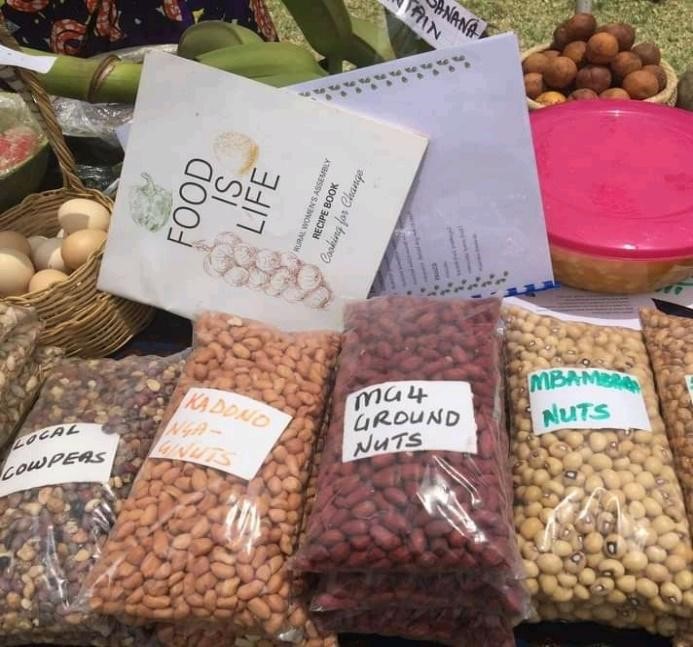
Rural Women’s assembly has committed to protecting and promoting the continued shrinking base for indigenous seed in the areas of operation. Works with and empowers women so they should be part of the development agenda in rural parts of operation.

Permaculture work started in Zimbabwe in 1988 with the establishment of Fambidzanai Permaculture Centre. In 1994 the Ministry of Education in Zimbabwe launched the SCOPE Programme of Zimbabwe in partnership with the Zimbabwe Institute of Permaculture. People from the neighbouring countries who visited SCOPE Zimbabwe were so impressed by the performance of these schools that they requested the SCOPE Programme to share their experiences with other countries. This led to a regional meeting in December 2006 that was held at Barn Motel in Lusaka, Zambia and was attended by representatives from South Africa, Malawi, Kenya, Uganda, Zambia and Zimbabwe. The outcome of the meeting was the launch of ReSCOPE Programme whose offices were set up in Malawi in May 2007. In 2014, SCOPE Kenya and SCOPE Uganda chapters were founded, followed by SCOPE Malawi and SCOPE Zambia in 2015 and 2016 respectively.
Since registration Scope Zambia have managed to recruit 16 Member Organisations. We have a seven-member Board which has developed the following policies for the organization: Finance, Gender, Board Charter, Code of conduct, Human resources and Child protection. We have also developed a strategic plan and some learning materials on seed saving and multiplication. We are members of the Zambia Alliance for Agroecology and Biodiversity (ZAAB) in which we hold the position of Treasurer. Our Member Organisations have participated in implementing the ReSCOPE project which ends in June 2021.
Scope Zambia’s mission is to assist schools, colleges and communities to live in abundance using their whole land creatively to produce a diverse range of nutritious food and other useful products; providing countless learning possibilities; contributing to community resilience and to the development of the whole person.
Its strategic objectives are; to develop demonstration centres of sustainable land use in pilot schools in a participatory and integrated way, to strengthen SCOPE Zambia as a network supporting its members deepening their practice and to improve the sustainability of SCOPE Zambia and its members and serve as models of resilience for the target communities and other beneficiaries.

Rocket stove using fewer sticks of wood in Malimba school
The Schools and Colleges Permaculture (SCOPE) Programme uses schools as an entry into communities and getting the parents, teachers and learners carrying the relevant messages. The ReSCOPE Programme has developed tools such as the Integrated Land Use Design (ILUD) process which school communities are using to redesign their school grounds into multi-functional landscapes that include food forests. SCOPE works through local organisations which provide back up and monitoring support to the participating schools while developing their capacity to use the tools that are facilitated by SCOPE.
C/O Agribusiness Forum,
Plot number 100/655 Ibex hill extension, Box 30833 Lusaka, Zambia
Mobile: +260 977770034
Website: http://www.seedingschools.org/
Email: lskprogramme.scope@gmail.com, annie@seedingschools.org/scopezambia2018@gmail.com
Established in 2017 as Development and Civil Society Organisation working in Sustainable Development working with communities and networks on piloting innovations AND supporting policy development in Food Sovereignty, Energy, Water, Forest and development spaces.
Based in Lusaka Zambia with an African Footprint working in solidarity with alliances on improving the quality of life and human dignity.
Member of the Zambia Alliance for Agroecology and Biodiversity; Zambia Climate Change Network, Africa Union, ECOSOC and the Global Environment Facility Civil Society Network
Member of the Faith Leaders for Climate Justice to End Hunger Coalition supported by Bread for the World USA.
VISION: a healthier planet for all
MISSION: Empowered Citizen Voices in Public Policy and Development Debates in Food Sovereignty; Ecosystems and Sustainable Cities
CORE VALUES
- Participation
- Transparency
- Openness
- Citizen Led
- Community Level Engagements – forms a basis
- of our engagements to raise awareness and
- support citizens to build critical masses for
- movement building on critical issues
Media Engagements – ZNBC, Millennium Radio and Live Radio features on Food Systems and Environmental Programmes
Capacity Building – we focus on building skills and tools to enable citizens to engage in public and development debate
Evidence based Research – focused on generating evidence on the realities of thematic experiences and the interactions of citizens with policies
Media Development for Climate Change
Communications – documenting real life stories,
visuals of ecosystems and thematic areas
ABOUT US
Zambian Adolteens Sustainable Health Organisation (ZASHO) is a registered Non- Profit Organisation Championing Sexual Reproductive Health and Rights (SRHR) of adolescents and young people through gender transformative SRHR interventions.
The organization educates adolescents and young people to take responsibility for their actions towards the environment. Therefore, ZASHO is the host organization in Zambia for the Green Flag Association (GFA) on matters of sustainable development and promotion of environmental sustainability. Our partnership started in 2020 through the Country Coordinator who is also the executive Director of ZASHO. Hence the motto, "A healthy child in a healthy environment, our priority".
VISION
A world in which every adolescent and young person enjoys their sexual and reproductive health free from stigma while realizing their full human potential as they contribute towards a sustainable natural environment.
MISSION
To champion sexual and reproductive and health rights while integrating HIV/AIDS/STIs prevention amongst children, adolescents and young people (AYP) through gender transformative Sexual and Reproductive Health interventions while contributing to environmental sustainability.
VALUES |
- Integrity
- Accountability
- Collaboration
- Inclusiveness
- Sustainability
- Transparency
OUR FOCUS |
- Norms and behavioral change
- Sexual and Reproductive health and Rights
- Environment, Climate Change & Education
- Gender Based Violence
- Epidemic preparedness
- Life skills Health Education
- Psychosocial Life skills & Mental Health
Zambia Land Alliance is a network of Non-Governmental Organizations (NGOs) advocating for fair land policies, laws and administrative systems that take into consideration the interests of the poor and marginalized. The Alliance was founded in 1997 and operates through a National office, seven (07) national members, eight (08) District Land Alliances (DLAs) and two (02) district project offices. Each DLA has its own member network at district level.
ZLA’s vision is to see a Zambia in which the rural, peri-urban and urban poor and vulnerable communities have secured access, ownership and control over land for sustainable development. The organizations’ mission is to be a platform for collective action committed to promoting equitable access, control and secured ownership of land and related natural resources by the poor and marginalized, through lobbying and advocacy, networking, research and community partnership.
ZLA employs capacity building as a strategy for improving performance at all levels of the organisation. Capacity building is also included in developing the capacity of Community Land Advocacy Committees (CLACs) to be an effective interface between ZLA and communities.
Through Sensitization and Awareness ZLA employs various approaches such as mass media, social media, study circles and focus group discussions. The basic premise of sensitization and community awareness raising is that there is insufficient knowledge by the citizens to make informed decisions on what to do with respect to security of land tenure, sustainable land use, livelihoods and environmental protection.

ZLA Women’s Land Rights Advocacy in Nyimba District
Lobbying and advocacy are important strategies for ZLA to ensure laws and policies are appropriate for improved security, ownership and land use for sustainable livelihoods. Evidence based advocacy is a vital strategy in influencing policy changes, and information gathered at different levels, through research and implementation of the strategy is used as an evidence base for advocacy activities. Advocacy structures such as CLACs and National Land Advocacy Committees are used for engaging duty bearers and policy makers on policy change. Lobbying and advocacy approaches also involve media advocacy, policy analysis and presentation of position papers, parliamentary submissions, engaging influential persons such as chiefs, use of social media such as Facebook, and social accountability, which includes information campaigns and participatory planning.
ZLA recognises that it cannot achieve its objectives without working with other like-minded organisations, sharing best practices and creating a critical mass needed for lobby and advocacy. This strategy is applied at the sub-district level through the traditional leadership and the Ward Development Committees, at the district level through the District Development Coordinating Committee (DDCC) and at the national level through the Sector Advisory Committees (SAC).
Paralegal Officers and District Coordinators provide legal awareness and advice on land rights, mediate land-related disputes among community members, follow up cases and make referrals to relevant institutions, where necessary. The DCs work with CLACs in the documentation and field follow-ups on cases. The paralegal support leads to increased knowledge of land rights, and enhanced access to conflict resolution mechanisms and justice. Documentation of land rights cases also contributes to generation of documentary evidence for advocacy interventions at various levels.
ZLA develops materials containing land-related information which are distributed in various formats and channels to different stakeholders for advocacy interventions and decision making. These resources are distributed to communities, districts and are accessible on the ZLA website, social media platforms and library.
Community Land Advocacy Committees (CLACs) are the basic operational structures of ZLA at community level, where the work is spearheaded by community members through the CLACs. The CLACs have proved to be an effective link between the communities and ZLA as they report to district branches, which in turn report to the National Secretariat. CLACs also participate in local governance structures (e.g. Ward Development Committees and Village Councils). They also support in the documentation and follow up of cases, and community sensitization. These volunteer community structures are responsible for mobilizing communities for activities, lobbying and advocacy at community level, overseeing study circle groups, sharing land related information and liaising with district branches on land-related matters happening in their communities.
The CLACs have developed the ability to handle minor land disputes with assistance from paralegal officers based at the District branches/project offices. Because CLACs are community structures, they are critical for sustainability of the interventions beyond the life of ZLA projects in the communities. The need to ensure security of tenure is an important element of the administration of customary land in Zambia. ZLA promotes Customary Land Holding Certificates in a number of provinces where they are supported through the District offices. The Customary Land Holding Certificate (CLHC) is a document which is issued by a Chief. This document certifies possession to a particular piece of land but is not a title deed, and cannot be used as a basis of land tenure conversion. However, these certificates have proved to be effective in reducing land ownership conflicts and boundary disputes. The certificates have also helped to secure land for the next of kin such as a spouse in the event of death of the head of household.
A study circle is a small group of 8 to 16 adults with a common goal to learn. They meet to share ideas which provide an opportunity to learn new ideas, improve their skills and increase their personal development. They meet on a regular basis and participate voluntarily in a democratic environment. Zambia Land Alliance provides the Study Circles with study materials and technical support, based on the needs of the individual groups. The Study Circles are used as a means of addressing land-related issues. The organisers ensure that the study groups meet to learn and share experiences using the study circle manual, a tool developed specifically for this interaction.
Plot No 126E Kudu Road
Kabulonga, Lusaka Zambia