Join us in championing the fundamental rights of those who feed the world!
Imagine a scenario where it is illegal for small-scale farmers, who represent approximately 90% of Zambia’s agricultural producers, to freely save, exchange, sell, and use seeds from their harvests.
This is closer to reality than you think.
Zambia's seed sovereignty is under threat. The very systems that empower our communities to retain control of their food systems and nutritional security, as well as assure local knowledge and the ongoing conservation and development of agro-biodiversity, are in jeopardy. Without these systems, we run the risk of creating an irreversible dependency on foreign aid and multinational food corporations for sustenance.
But first, some background. Zambia's agricultural landscape is a stark contrast between two seed systems: a well-supported formal system and a marginalised farmer-managed seed system, referred to henceforth as FMSS. While FMSS supplies the majority of seeds used by smallholder farmers, it lacks the investment and support enjoyed by the formal sector. This disparity exists amidst ongoing efforts to harmonise regional seed regulations as Zambia adjusts its policies to facilitate the inter-regional movement of certified seed. These changes are occurring without a concrete national seed policy, raising concerns about their impact on local systems.
Up to 90% of Zambian smallholders rely on farm-saved seeds, highlighting the crucial role of the FMSS. These farmers, particularly women, have preserved centuries of knowledge and biodiversity, adapting their crops to diverse local conditions. Despite their significance, their seed systems remain largely ignored, facing a lack of investment and denial of their rights.
A few companies dominate the formal sector, controlling a significant portion of the global seed market. This dominance extends to new technologies and influences policies. Consequently, the role of FMSS is often undervalued and even restricted by laws like the Plant Breeder's Rights Act, which prioritizes protection of commercially bred varieties over traditional farmer practices. Meanwhile, Zambia’s integration into the International Union for Protection of Plant Varieties (UPOV) is an ever-looming threat for smallholder farmers.
But we know that seed is power. And so, on the ground, all across Zambia, certain individuals have made it their mission to play their part in ensuring that this scenario does not come to pass. From farmers to scientists to faith leaders and activists, concerned citizens are bringing light to this threat to our right to seed and the urgent need to protect and promote the rights of our farmers.
We are honoured to present to you, ZAAB's Farmers' Rights Champions for 2024.
FARMERS FOR FARMERS’ RIGHTS
In the agricultural landscape, smallholder farmers stand as the unsung heroes, embodying the essence of resilience and stewardship. Their unwavering dedication to the land and their communities lies at the heart of the farmers' rights movement. As we celebrate champions of farmer's rights, it's crucial to recognize the pivotal role smallholder farmers play in this narrative. Beyond cultivating crops, they safeguard traditional knowledge, preserve biodiversity, and sustainably manage resources. Their intimate connection to the land fosters a deep-rooted sense of stewardship, ensuring the continuation of agricultural practices that have sustained communities for generations.
In this section, we delve into the stories of these grassroots advocates, highlighting their invaluable contributions to the broader movement for farmer's rights.
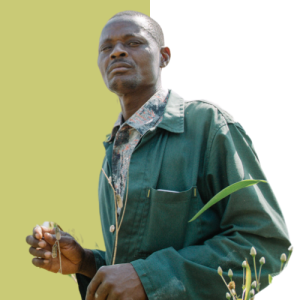
Royd Michelo
A small-scale farmer from Chongwe District who epitomises the essence of agroecology stewardship.

Annie Katongo
This ecological farmer from Shibuyunji District embodies the essence of sustainable farming.
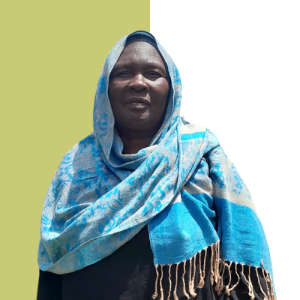
Mary Sakala
The resilient smallholder farmer from Mumbwa is an advocate for indigenous seed preservation.

Bevis Mushimbwe
This farmer from Shibuyunji District is an advocate for local seed systems and agroecological practices.
WOMEN FOR SEED
Women farmers, the backbone of agriculture in Zambia, constitute approximately 78 percent of the agricultural labour force, with rural women accounting for over 25 percent of the total food produced in the country. They also play an irreplaceable role in preserving biodiversity, ensuring food security, and fostering resilient agricultural practices through their stewardship of local seeds.
Women traditionally hold deep knowledge about different seed varieties, their unique characteristics, and their suitability for specific growing conditions. They serve as knowledge keepers, passing down generations-old techniques for seed selection, storage, and preparation - meticulously selecting and saving seeds from season to season, ensuring the survival and adaptation of desired traits. This practice preserves biodiversity and contributes to food security by maintaining a wider range of crops resilient to pests, diseases, and climate change.
Despite their crucial role, they face many challenges and have historically lacked equal access to resources and opportunities compared to their male counterparts. For instance, while there have been efforts to promote women's land rights, challenges related to land ownership persist. In many cases, women have less access to and control over land compared to men.
Additionally, women farmers often face challenges in accessing resources such as credit, technology, and agricultural extension services. Improving women's access to these resources, as well as protecting their right to save, exchange, sell, and use seeds from their harvests, is critical to sustaining our food systems.
Here are some of the Zambian women who have made it their mission to ensure that

Kanangwa Newlove
The visionary CEO of Loctaguna Organics is a champion for sustainable and organic food systems.

Juliet Nangamba
A vocal advocate for the importance of seed systems, and a champion of smallholder farmers’ rights.
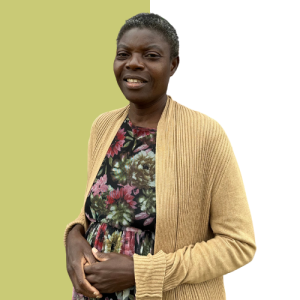
Annie Nyika
The Ubuntu Learning Centre Trust founder's dedication to farmers' rights is evident in everything she does.

Musonda Kapena
Namfumu Conservation Trust’s co-founder is passionate about indigenous knowledge on conservation.
ELDERS OF THE MOVEMENT
There is a synergy between elders and faith leaders that creates a powerful force for seed sovereignty in Zambia. Elders provide the foundation of knowledge and tradition, while faith leaders translate it into action and community mobilisation.
Elders, as custodians of generations-old knowledge, hold the key to identifying, selecting, and preserving local seeds best suited to specific environments. They pass down this wisdom through community networks, ensuring the survival of these resilient varieties crucial for food security and adaptation to climate change. Their deep understanding of traditional seed management practices, often intertwined with cultural beliefs, fosters a sense of ownership and responsibility for seed sovereignty within communities.
Meanwhile, faith leaders, acting as bridges and mobilizers, amplify the voices of farmers advocating for seed sovereignty. They leverage their platforms to raise awareness about the importance of preserving biodiversity and the dangers of overrelying on commercial seeds. Through faith-based initiatives like community seed banks and training programmes, they empower farmers with the knowledge and skills needed to manage their own seeds effectively. Their influence helps build community buy-in and collective action around protecting and promoting local seed varieties.
Together, they safeguard the future of agriculture by ensuring control over critical resources like seeds remains in the hands of local communities, fostering resilience, food security, and cultural continuity.
Here are some elders and faith leaders we want to celebrate this year.
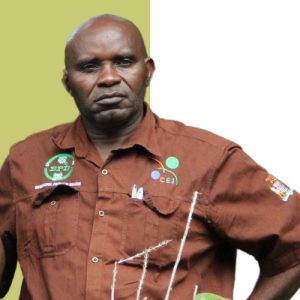
Emmanuel Mutamba
An environmental steward dedicated to advancing sustainable farming practices and advocating for farmers' rights.

Austin Chilala
A committed agriculture extension officer who has diligently promoted sustainable organic agriculture for over 27 years.
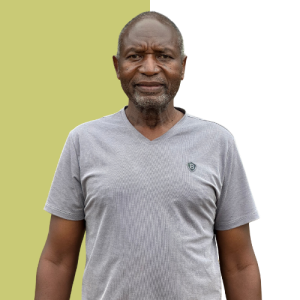
Mugove Nyika
A dedicated community development facilitator with a passion for building resilience and food sovereignty in Africa.

Charles Nkhoma
A plant taxonomist with a passion for bridging the gap between farmers and genetic resource preservation initiatives.
YOUTH IN ACTION
The future of Zambian agriculture hinges on effectively integrating and empowering young people. Young people bring innovation, energy, and tech-savvyness that can revitalise and transform Zambian agriculture, making them crucial players in the fight for seed sovereignty.
Here are some notable players in the movement who deserve our recognition for their unwavering commitment to agriculture and community.

Lucy Musonda
This passionate agroecology farmer from the Copperbelt Province is committed to empowering young people.

Kenji Mpande
An active promoter of local seed varieties and sustainable organic farming practices in Chikankata.

Eukeria Mpande
This Chirundu-based district coordinator has dedicated a decade amplifying farmers’ voices.

Chipo Chiluma
A young farmer promoting sustainable agriculture among youth and women in Kapyanga.
PIONEERS CORNER
These champions exemplify a spirit of innovation, creativity, and unwavering dedication in their quest to amplify the voices of smallholder farmers across the globe. Within this vibrant community, each advocate brings a unique perspective and approach to advancing the cause of farmer's rights.
Some have embarked on groundbreaking journeys, establishing media platforms and networks that serve as powerful catalysts for change, disseminating knowledge, and fostering dialogue around the principles of agroecology and sustainable farming practices. Others have delved into the intricacies of policymaking, leveraging their expertise to shape legislative frameworks and institutional structures that support and empower farming communities.
In a dynamic and diverse ecosystem of advocacy, these pioneers are not just shaping the conversation around farmer's rights; they are leading by example, inspiring others to join the movement and driving tangible impact on the ground.
These are some visionary leaders who are revolutionizing the landscape of farmer's rights advocacy.

Paul Desmarais (Posthumously)
The founder of Kasisi Agricultural Training Centre saw sustainable agriculture as a shield for both planet and people.

Misheck Nyirongo
The founder of Khumbilo Agro-Ecology Media Services uses indigenous media solutions to advocate for sustainable agriculture.
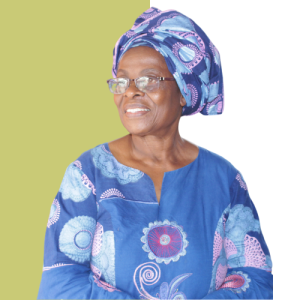
Sylvia Banda
This phenomenal business woman is creating efficient and viable avenues to economically empower rural smallholder farmers.

Penelope Malilwe
An agroecology enthusiast who advocates for organic and sustainable agriculture because it is eco-friendly and healthy.
Through unwavering dedication, resilience, and a steadfast commitment to justice, these champions have transformed the landscape of agricultural advocacy, championing the rights and dignity of smallholder farmers worldwide. From grassroots organisers to visionary leaders, each individual has played a pivotal role in advancing the principles of agroecology, sustainability, and social justice within the agricultural sector. Together, let us continue to sow the seeds of change, cultivating a world where farmer's rights are not just recognised but celebrated as the cornerstone of a more just and equitable society.